 Balance

Balance Due vs SPD Split Payment & Deposit
SPD is a four-in-one payments app. If you need the other three, choose SPD. If you only need deposits done well, Balance Due is simpler and includes the follow-up.
At a glance
Competitor details are as of September 2026. Check SPD's current listing before deciding.
- SPD does
- Deposits, split cards, shareable payments, instalments
- Balance Due does
- Deposits and balance collection
- SPD storefront
- App widget, customisable
- Balance Due storefront
- Shopify's native purchase option
- Balance Due pricing
- GBP flat monthly, free tier
- SPD pricing
- Check listing
The short version
SPD Split Payment & Deposit offers deposits with automatic balance collection, paying one order with two cards or a card plus PayPal, sharing an order's payment between several people, and instalments, all behind a widget you style (as of September 2026). Balance Due does one of those: a deposit at checkout and the balance collected later, using Shopify's own purchase option rather than a widget, and adds the fulfilment hold, retries, reminders and the customer page. Fewer features, less to configure, and the collection process is the product.
The widget is the other real difference. SPD renders its options through its own code on the product page, which you can style. Balance Due uses the purchase option your theme already knows how to render, plus one small theme block for the deposit line.
Four features behind a widget, or one feature inside the theme. Which you want depends on whether you need the other three.
Side by side
| Balance Due | SPD | |
|---|---|---|
| Deposits | Yes | Yes |
| Instalments | No, a deposit and one balance | Yes |
| Two payment methods on one order | No | Yes |
| Shareable payments | No | Yes |
| Storefront presentation | Shopify's native purchase option | App widget, customisable |
| Fulfilment hold until paid | Automatic | Check listing |
| Retries and overdue process | 1, 3, 7 days, overdue flag, alerts | Check listing |
| Pricing | GBP flat monthly, free tier | Check listing |
Which is the better fit
When SPD is the better fit
If any of the other three payment types is part of how you sell, Balance Due cannot do it and SPD can.
- Customers ask to split an order across two cards
- Group gifting or shared purchases are part of your business
- You want a styled widget rather than the theme's purchase option
When Balance Due is the better fit
If deposits are the whole requirement and the work after checkout is what you want taken off your hands.
- You want the purchase option rendered by your theme with no widget to maintain
- What matters is what happens after checkout: collection, retries, holds, reminders
- You prefer a flat GBP price with a free tier
Widget or native purchase option
Not better or worse, but different in ways that matter when you update your theme.
A widget
Extra code on the product page, styled by the app. More control over how the options look, and one more thing to check after a theme update.
A native purchase option
Rendered by the theme itself, the same way it renders subscriptions. Looks like your theme because it is your theme. Balance Due adds one small block for the deposit line and nothing else.
At checkout
Both end up in Shopify's own checkout. The deposit is charged there either way; the difference is only on the product page.
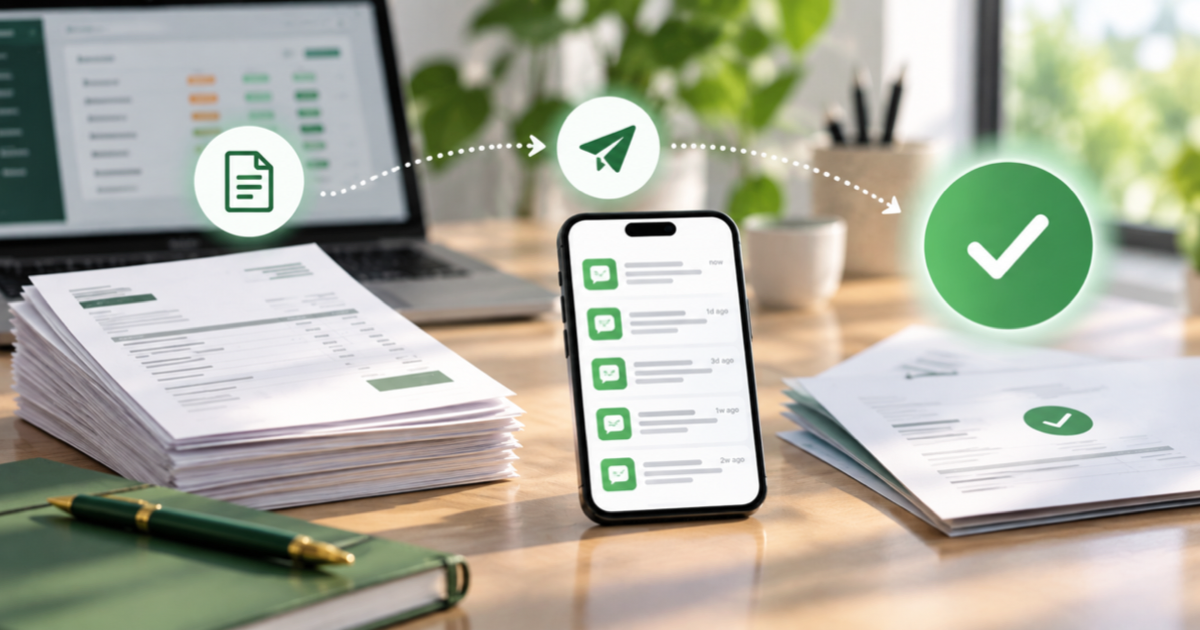
What Balance Due does after checkout
- 1
Order placed
Deposit taken
A Shopify fulfilment hold goes on the order and the customer gets the schedule with a link to their payment page.
- 2
Three days before the balance
Reminder sent
The amount and the date, by email on every plan and by text on Growth and Pro.
- 3
Due date
Balance charged
Charged at 9am store time, receipt sent, hold released, order tagged deposit:paid.
- 4
If the card fails
Payment link sent
A link that accepts any card, and retries after 1, 3 and 7 days. After four failures the order is overdue and you are alerted.
Check SPD's listing for what it does at each of these steps. The deposit is the easy half on either app; the balance is where the time goes.
Related

Deposits
How the native purchase option is set up.
Depositly alternative
Another app with shared payments.
How it works
The full flow.
Depo alternative
Flat monthly price instead of a percentage of every order.
Downpay alternative
Similar model, GBP pricing, holds and reminders on every plan.
Native Shopify deposits (Plus)
What Plus stores get built in, and what every other plan needs an app for.
Questions
Does a widget-based app affect theme updates?
A widget is extra code in the product page; a native purchase option is rendered by the theme itself. Which is better depends on how much you customise. Balance Due adds one small theme block for the deposit line and nothing else.
Can Balance Due do split-card payments later?
It is not planned. Shopify's checkout takes one payment method per order and Balance Due stays inside that.
Can Balance Due do instalments?
No. Shopify treats multi-payment schedules as payment-app territory, so Balance Due takes a deposit and collects one balance.
Can I use both apps on the same store?
On different products, yes. Only one app should attach purchase options to a given product.
Does either need Shopify Plus?
Balance Due does not. Check SPD's listing for its requirements.
What does Balance Due cost?
Free for up to 3 orders with an open balance at any one time, then £19.99, £49.99 or £99.99 a month in GBP through Shopify, with no per-order fees.
Try it on a test order
The fastest comparison is a deposit order on your own dev store with Shopify's test gateway.